
I recently read a news article about a working group formed to implement Mongolia's IT Industry Support Law. The group is tasked with studying international best practices and drafting regulations — a process they plan to stretch across the entire autumn parliamentary session.
I want to save them some time.
Kazakhstan — our neighbor to the west — has already done it. The data is public. The model is documented. There is no reason to spend months on research trips.
The Astana Hub Story
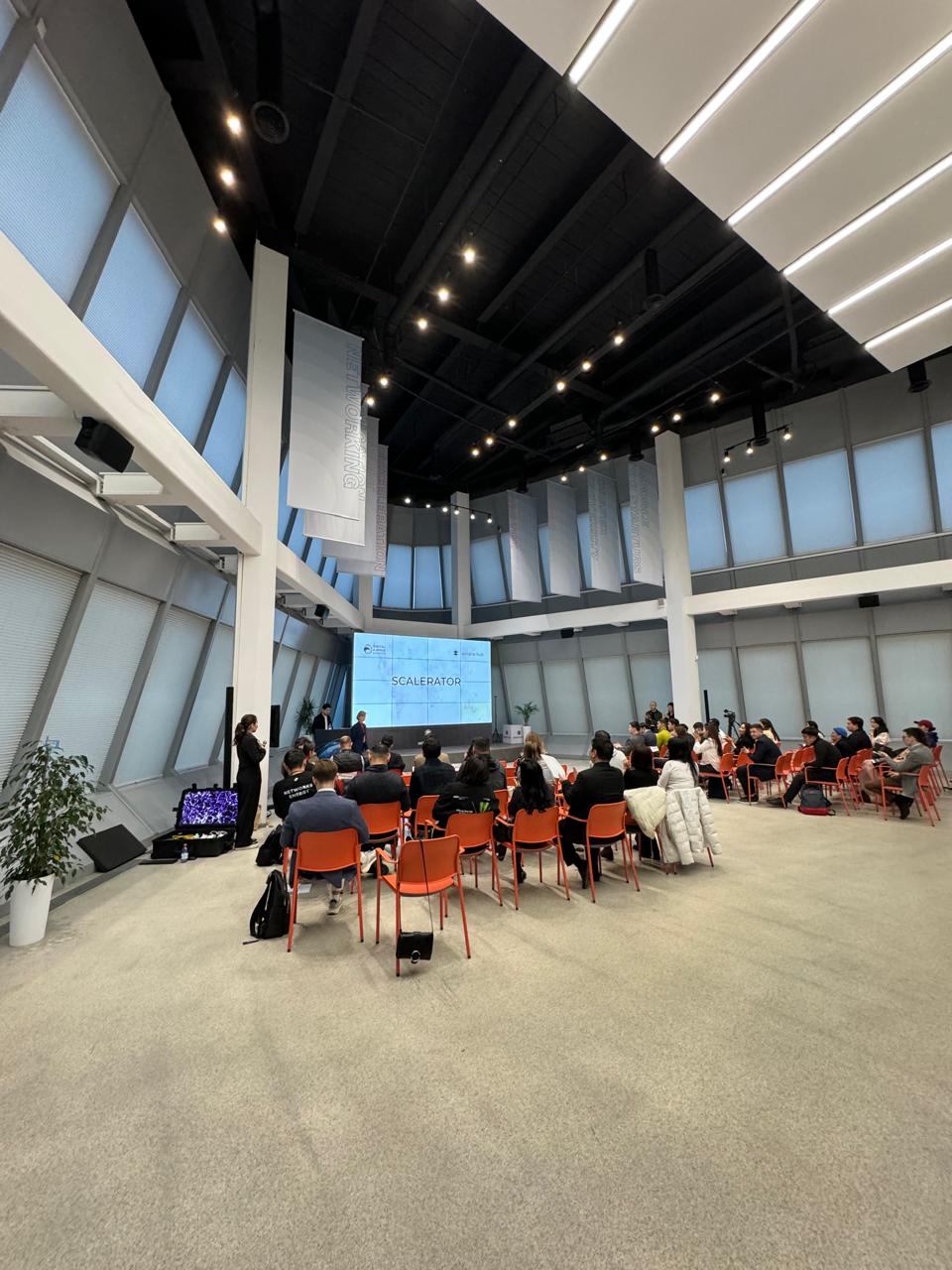
I spent four months working out of Astana. What was immediately visible was the structure: the Ministry of Digital Development co-located with the IT hub, universities feeding engineers directly into the pipeline, all of it operating under one roof.
Astana Hub started in 2016 — a proposal to the Prime Minister. By 2017, the first hackathons were running. The notable part isn't the speed. It's that they set concrete, measurable targets and tied people to them.
Their KPIs for 2026:
- $500 million in foreign investment attracted from the tech sector
- $1 billion (3 trillion MNT) in domestic startup investment
These aren't vague aspirations. They're numbers someone is accountable for.
The Model That Actually Works
Here is the mechanism that makes Astana Hub function: every startup affiliated with the hub is exempt from all taxes. In return, they share a small percentage of revenue with the hub. That revenue funds the next training programs, the next cohort of investments, the next cycle of growth.
Think about what this means for a founder. Instead of burning through your first funding round on social insurance contributions and tax filings before you've even found product-market fit, you put every dollar into building. And when you do generate revenue, you contribute a fraction back to the ecosystem that supported you.
The revenue loop is built into the structure from day one.
Mongolia's Digital Strategy: Goals Without Teeth
Compare that to Mongolia's six strategic goals in the digital development plan:
- Expand telecom infrastructure and 5G readiness
- Advance e-governance
- Improve digital literacy
- Develop national digital content
- Increase electronics manufacturing
- Improve competitiveness in ICT services
These read like aspirations written by a committee that has never spoken to a founder. Goal five — electronics manufacturing — is fantasy for a country at our stage. The rest, while directionally correct, have no concrete targets, no accountability, and no implementation path.
Meanwhile, the Ministry of Finance still hasn't approved the startup tax regulations. Entrepreneurs who managed to raise investment watch it disappear into tax obligations before they can build anything. I have seen this pattern repeat too many times: a startup raises its first funding, gets excited, then collapses under compliance costs before reaching the market.
The Cost of Delay
Kazakhstan started in 2016. Mongolia is years behind. Being late means the competitive gap compounds — every year without a clear tax framework is another year founders leave or never start.
There is no original research required here. Kazakhstan's IT Park representatives have already visited Mongolia. The policy documents are available. The question is whether anyone in government will act on them.
Mongolia is a small market. That is actually an advantage — you can test an idea quickly and take it global. Israel does exactly this: build domestically, validate fast, scale internationally. We have the same geography of necessity. The young people are ready. Mongolia's generation born in the peak years — the 18-year-olds today — are hungry to build. What they need is an environment where taking that risk doesn't mean immediate financial ruin.
What Needs to Happen
The tech industry in Mongolia needs to speak with one voice to the incoming Prime Minister. Not in separate meetings — together. The ask is specific:
- Approve the startup tax regulation currently stalled at the Ministry of Finance
- Create real tax exemptions for early-stage startups — not the token reduction currently proposed, but something that actually changes the math for a founder
- Set measurable targets for the sector: foreign investment attracted, startups funded, jobs created
We are not as far behind as it feels. The window is open. The question is whether we'll use it.